As You Wake, Break the Shell
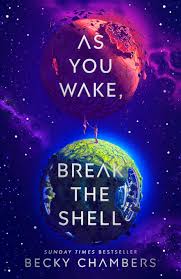
I read this courtesy of the publisher and NetGalley. It’s out in October (sorry).
A more complete review of this will appear in Locus eventually, but: it’s brilliant.
I read Long Way to a Small, Angry Planet when it first came out, I think, and I bounced off it hard. Why? I do not remember. Not a jot. Probably I was in the wrong frame of mind – at least, I can only assume so; after reading this I wonder if actually I was too much in a ‘big space adventures’ mode.
Chambers does some clever narrative things across this novel. Firstly, the chapter sequencing: it starts with Chapter 1… but then all of a sudden you’re in Chapter 764, and no you didn’t skip a lot of pages. So there’s two parallel timeframes. Which means one of the big character questions is resolved very quickly, which means that you can get on with looking at the other questions: how do the characters get from here to there? What changed?
It would be easy to read this mostly as an almost domestic novel, focused on two people and their experiences; there are even recipes! But the reality is that Chambers is doing some really cool political stuff here. The reality of the initial planet’s colonisation, the way the two societies structure themselves, how difference is viewed… yeh, there’s a lot going on.
It’s really good.
Object Lessons: Laboratory
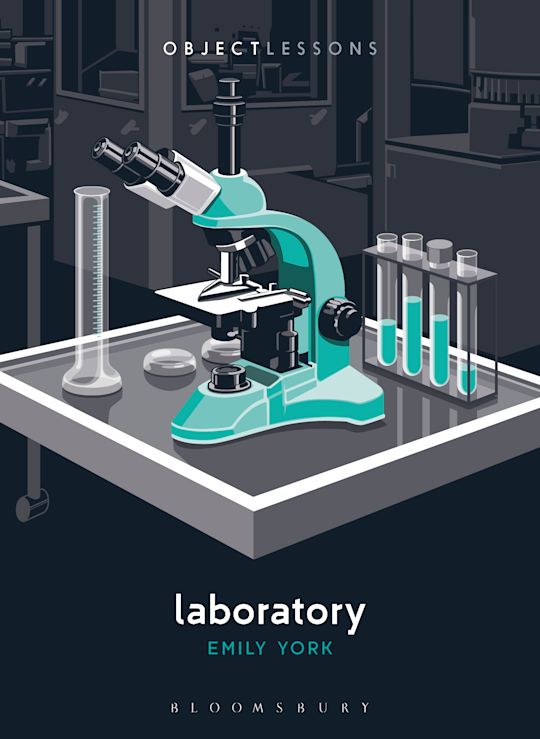
I read this courtesy of NetGalley and the publisher, Bloomsbury Academic. It’s out in September.
I have said this before and I say it again: I love the Object Lesson series. Sometimes the Object in question seems relatively simple – a skateboard! – but sometimes it’s a bit more abstract: like The Laboratory. (One of those words where you can hear an Aussie / Brit vs US accent difference.)
As is so often the case, York uses her own experience – of sort of working in a lab, and sort of not; being science-adjacent – to illuminate all sorts of interesting aspects of the lab, and along the way varying reactions to science as a discipline. She looks at labs in science fiction – in film, in particular, since that informs so much of what non-scientists think of as “a lab” (ask me how I feel about the lab in Fringe).
I enjoyed the expansive view of “the lab” that York brought in this book, and how passionate she clearly is about communicating the realities of scientific research to a broad audience – that it’s piecemeal, that it involves many, many contributors, that it’s usually safe! She has a good section on the development of scientific rigour, and laws around things like animal experimentation – and, of course, given it’s Now, touches on some of the issues around Covid and its genesis.
This is a really great intro to the idea of “the lab” for the non-scientist, but I suspect it might also be a nice thought-provoker for those who work in science to think about how the rest of the world views their work, and their world.
Bodies of Magic
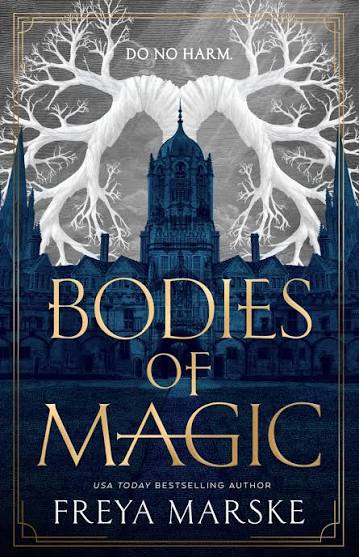
I read this in ARC. It’s out in September. (And it’s worth waiting for.)
A proper review of this is forthcoming in Locus, but the TL;DR is I loved it. I’ve loved everything of Marske’s I’ve read so far, so that’s not a huge surprise – but this is quite different from her other books in some ways. Some similarities, though, too.
Set in secondary world, where some people are born with magical ability and that’s no real big deal. You get tested, you see whether you might have a gift. If you live in Sieuxerr, though, you might have the ability to be a healer – in which case you have no choice but to be a healer. And after five years of study you undertake five days of exams with four other students – not of your choosing – before you graduate. And then you have to go off and be a healer, either in whatever place paid for your training (because of course it costs), or at home if your family is rich enough to have paid upfront.
Sounds familiar, really, doesn’t it.
The book focuses on five students in those final days. All of the characters are beautifully developed. They all have their struggles, and their achievements.
Did I mention there’s a death? There’s a death. Finish your medical exams AND figure out whether the death is a murder or not! No drama! So there’s investigatory shenanigans; there’s falling in love, arguing with family, making your place in the world, defying expectations, etc etc. It’s a lot of fun. I did get about 4/5 through and have to go stare at a wall, For Reasons.
This is such a great book.
The Book of Bots
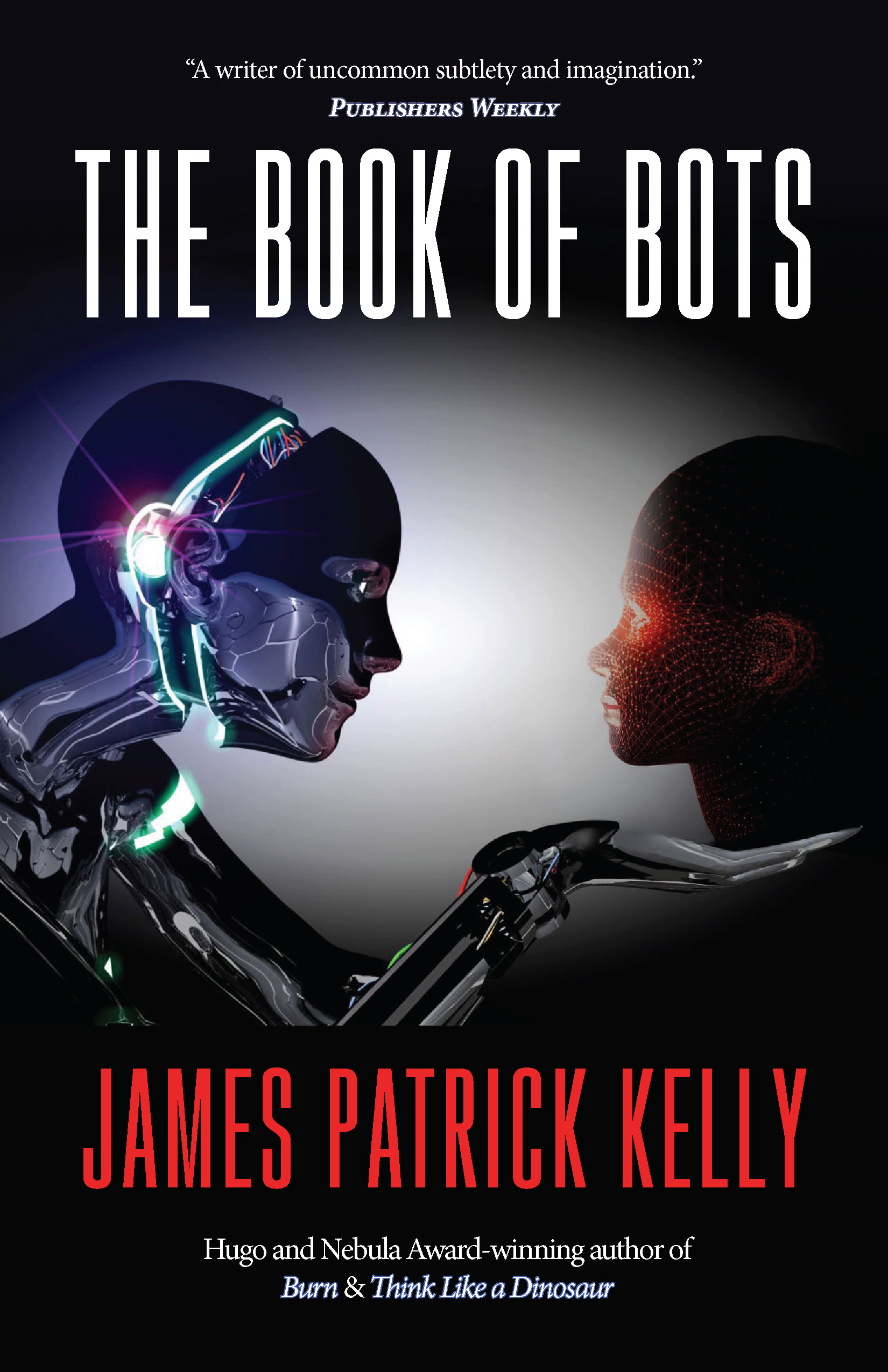
I received an ARC from the author. It’s out in August – but preorders are love!
I often love a robot story; I also enjoy a well-thought-out AI story. And thus, James Patrick Kelly’s The Book of Bots: completely in my wheelhouse.
Covering around 25 years of his career – which is impressive in itself – the range of stories in this collection is fascinating. Some of the robots are actively meant to be caring for humans, in very different ways; stories like “Itsy Bitsy Spider” could come across as cutesy but it is deeply, deeply creepy, from my perspective anyway. Indeed, several of the stories end up crossing into the Creepy realm, because of the way they imagine bots interacting with humans – and, more to the point, humans interacting with bots. “Bernando’s House” is, if anything even more creepy than “Itsy Bitsy Spider;” a house has a personality, and a human figure to represent it, aaaaaand then things go weird. “Yukui!” confronts the idea of humans owning bots, and questions of sentience/slavery. “Your Boyfriend Experience” likewise asks questions about humans creating bots to their own specifications, and how that plays out with and around other humans. And “Je ne regrette rien” is kind of the culmination of the stories about human-like bots, and a quest to be more than they have been created to be.
On slightly different notes, “Undone” brings in a sentient spaceship – the concept itself not unique, but the playing-out and ramifications are what make it worth reading. “What it means to be a car” consists of dialogue between a car and a passenger – the only story that has a particularly different narrative structure, and one I enjoyed for that reason.
The collection also has two essays, one about the modern use of bots and one doing a short history of robots/ AI in literature. Both are entirely appropriate in the context of the collection, and add to the overall story of “what do we mean when we talk about bots.”
This is a great collection. Highly recommended.
Eat Like a Sardinian
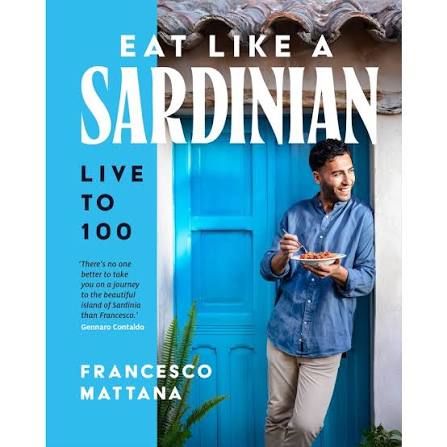
I was sent this book by the publisher, Allen & Unwin, at no cost. It’s out now, RRP $45.
On the one hand, this book has really excellent recipes.
On the other hand, I deeply object to the whole ‘live to 100’ vibe, given probable realities about so-called blue zones.
On the third hand, you can look past that (I do), and it’s a fine book.
As you would expect, this is a beautifully produced book (although to my sadness, there’s no ribbon bookmark; I do love a ribbon in a cookbook). The photography is great, it’s mostly about the food rather than the cook, there are some adorable handdrawn (they look like embroidery!) images scattered throughout, and the recipes themselves are laid out well. No complaints at all about the presentation.
There’s a good range of recipes – the book is structured like a traditional Sardinian meal, Mattana says: Aperitivo and Antipasti; Pane and Pasta; Primi; Secondi; Contorni and Verdure; La Dolce Vita. Within the chapters, there are harder and easier recipes. I would note that this is not a book for a beginning baker: the recipe for (the delicious) sultana and saffron bread asks you to judge ‘if the bread looks ready to bake’ with no suggestion for what that looks like, for example. And in the Culurgiones recipe there’s no indication of when the ravioli is cooked / how long to cook for.
Recipes I have made:
- Pizzette Sfoglia – puff pastry pizzas. So simple! Quite tasty, although I do think the filling (tomato passata, oregano, capers) could have been tastier.
- Su Pani Arrubiu – sultana and saffron bread. Also with orange zest. Absolutely delicious. And he recommends a long, overnight, proving, which I think was really good. Mine wasn’t as good as it could have been – I’m blaming winter – but 100% would make again.
- Tallutzas con noci e ricotta – I made this with bought orecchiette; the combination of ricotta and walnuts and nutmeg was an absolute delight.
- Culurgiones – potato stuffed ravioli. Yes, I made ravioli. Was it worth it? Look, I’m not sure. They were very tasty and I made quite a lot so a bunch went into the freezer. Are they better than very generic supermarket ravioli? Oh yes. Did they take a long time? Also yes.
- Li Puligioni – ricotta ravioli – no, I did not learn my lesson. Yes, pasta stuffed with ricotta and orange and lemon zest is very tasty.
- Spizzulus con cardoncelli e salsiccia – pasta with sausage and mushroom sauce. Had to make a sub here as my local supermarket doesn’t have dried porcini (!), so I used fresh mushrooms instead. It will have tasted a bit different, therefore, but overall this was absolutely excellent. And getting the butcher to de-case the sausage first was also brilliant.
- Panada – Sardinian pie. Further to ‘not learning my lesson,’ yes I made the shortcrust pastry for this pie. The pie has a really interesting structure: basically you’re cooking a really dry stew inside a pastry shell. You’re putting raw meat and uncooked potato inside and it comes out… perfectly cooked. Also a lot of work, but did feed two of us for three dinners.
- Bombas – meatballs. I love meatballs. These are fine but nothing out of the ordinary.
- Involtini di carne con verza. Never again will I stuff cabbage rolls. Maybe using ordinary cabbage rather than Savoy was a mistake – I don’t know, I don’t know cabbage.
- Torta di mele – apple cake. It was fine! I was lazy and didn’t do the apple slices on top, which meant it wasn’t as apple-y as it should have been, so that’s all on me.
There are more recipes I’m looking forward to making, so this one will be staying on rotation.


