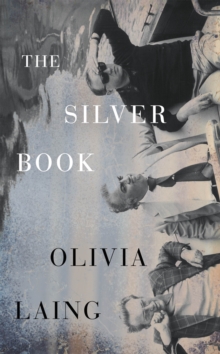
So what happened is that I found out about the Tadeusz Bradecki Prize. It values works that combine fiction and nonfiction and generally do interesting things. That’s how I found out about The Book of Records and it’s how I found The Silver Book. This is even less like the works that I usually read. I have no regrets.
Nicholas is a young English artist, running away from a suffocating and difficult England. In Venice, he meets Danilo Donati. It’s the 1970s, and Donati works in cinema, with both Fellini and Pasolini – preferably on costuming, sometimes also on sets. Fellini is making Casanova; Pasolini is making Salo.
Politically, it’s a tremendously difficult time for Italy: fascists and their collaborators from under Mussolini are still around, times are hard economically, and so on. Socially, being homosexual is somewhat accepted within the arty world – certainly at least some people don’t go to any lengths to hide their preferences – but in the wider world… well. It’s the 1970s. And personally, both Fellini and Pasolini are not exactly easy to work with; and Nicholas and Donati have their own personal demons to deal with.
Nicholas is invented, representing young men who have sought adventure and love and difference – and who have fled difficulty. The other main characters, like Donati, are or were all real. Some of the events are real: the challenges of creating both films, what Fellini and Pasolini were like both artistically and politically, the general atmosphere in Rome and Venice. Laing draws all of these together to create a truly superb novel that’s important on a personal level, as well as on the political.
Salo was made in the 1970s; it was about late fascism in Italy, as well as about its own time. The Silver Book is set in the 1970s… and it’s absolutely about our own time as well. It’s not always an easy read; some dreadful things happen, although mostly off-page. It is, though, magnificent.


